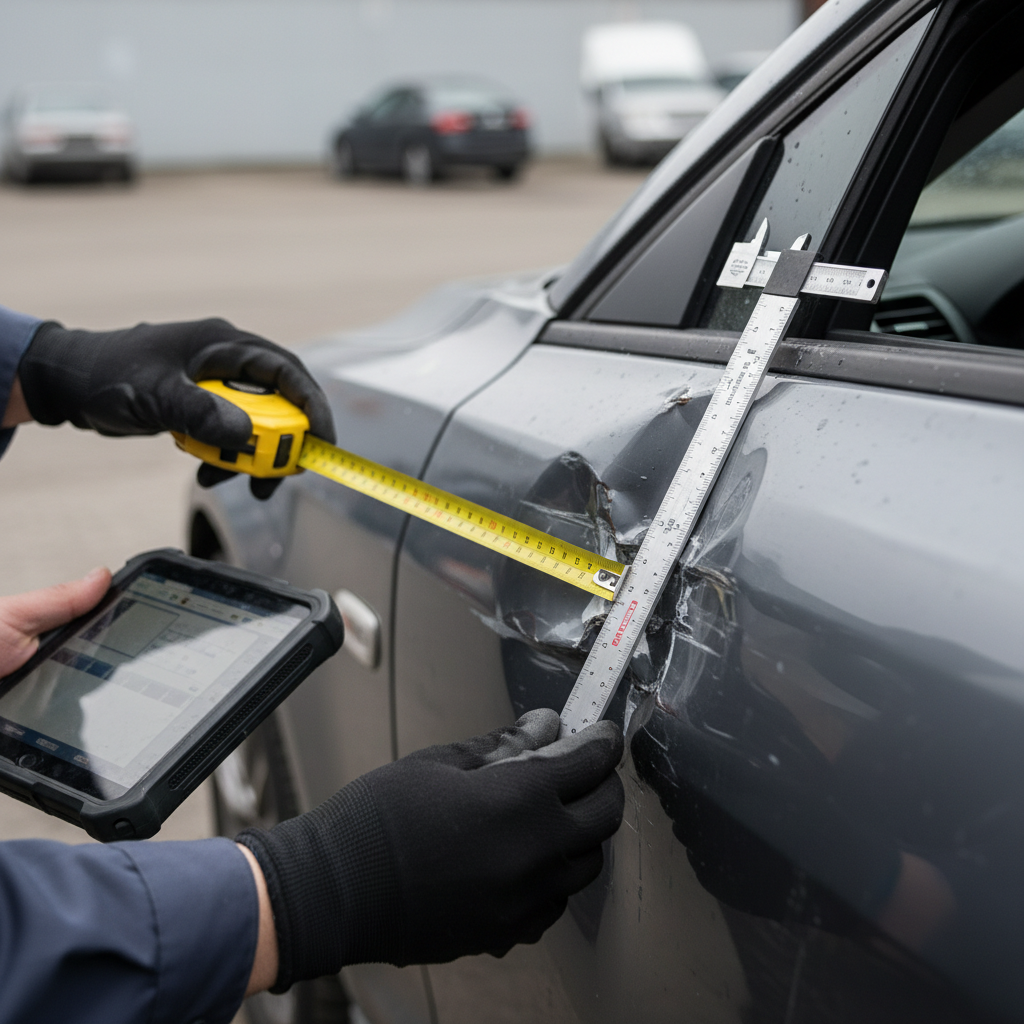
Following a hit and run accident Florida drivers should stay at the scene, contact law enforcement to file a report, and document evidence such as vehicle descriptions and witness statements. Compensation is typically available through Personal Injury Protection or Uninsured Motorist insurance coverage; however, a personal injury lawsuit may be possible if the responsible driver is later identified.
The initial shock of a Florida hit and run accident is often followed by a sense of profound uncertainty. You are left dealing with physical pain and property damage while the person responsible has vanished; this leaves victims wondering how they will ever secure the compensation needed for recovery. At Wolfe Law Firm, we know that these cases demand immediate and strategic action to protect your legal rights. This guide provides a practical roadmap for the aftermath of a hit and run. You will learn the essential steps to take at the scene, how we investigate to identify unknown drivers, and the ways you can recover damages even if the other party is never caught. We also examine the critical role of uninsured motorist coverage and why direct communication with your attorney is the most effective way to navigate insurance complexities.
Immediate Steps to Take at the Scene of a Florida Hit and Run
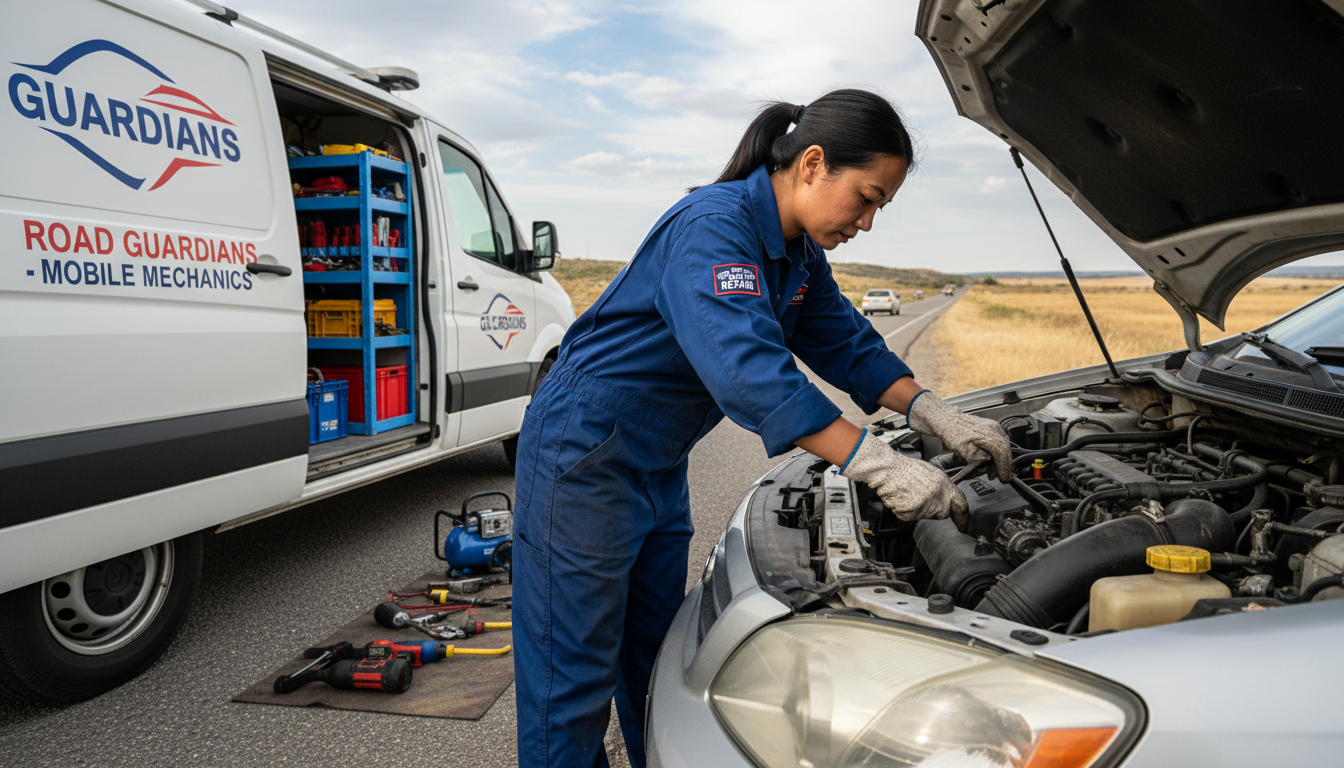
The immediate aftermath of a hit and run accident Florida is chaotic and frustrating. Your first instinct may be to follow the fleeing vehicle, but you must remain at the scene. Your priority is to secure your safety and begin the process of building a legal record that will protect your rights later.
First, call 911 immediately. Under Florida law, you are required to report any accident involving injury or significant property damage. Even if the damage appears minor, an official police report is often a non-negotiable prerequisite for filing a claim with your own insurance provider. This report serves as the bedrock of your case, documenting the time, location, and the fact that the other party fled. Without this document, your insurer may doubt the validity of your claim.
While waiting for Clearwater police or Pinellas County deputies, act as your own investigator. Beyond the standard photos of vehicle damage and skid marks, you must look for digital witnesses. In residential areas, scan the neighborhood for Ring doorbells or Nest cameras on nearby homes that may have captured the fleeing vehicle’s license plate or make and model. At major Clearwater intersections, look for municipal traffic cameras or commercial security systems from surrounding businesses.
If other drivers have stopped to help, ask specifically if their vehicles are equipped with dashcams. These recordings often provide the only clear evidence of a phantom vehicle's identity. Collecting this information immediately is vital because video footage is often overwritten within days or even hours.
For a broader look at post-crash protocol, review our guide on What to Do After a Car Accident in Florida. Taking these tactical steps now ensures that when you call an attorney, you have the raw data needed to begin a thorough investigation.
Why Drivers Flee: Understanding Florida Hit and Run Penalties
Understanding the legal framework behind a hit and run accident Florida explains why these incidents occur so frequently despite the severe consequences. Florida law draws a sharp line between property damage and bodily injury. Under Florida Statute 316.061, leaving the scene of an accident involving only property damage is a second degree misdemeanor. However, when injuries occur, Florida Statute 316.027 elevates the crime to a felony. If a driver flees a crash involving serious bodily injury, they face a second degree felony. If a fatality is involved, it becomes a first degree felony with a four year minimum mandatory prison sentence.
Most drivers who flee are making a desperate calculation to avoid immediate arrest for a different offense. In Clearwater and across Pinellas County, investigators frequently find that fleeing drivers are operating with a suspended license, lack the required insurance, have active warrants, or are driving under the influence. By leaving, they hope to sober up or distance themselves from the vehicle before police arrive. Local law enforcement agencies, including the Clearwater Police Department, treat these cases with high priority because the act of fleeing often signals a broader pattern of criminal behavior. Recognizing these motivations is the first step in understanding why professional Clearwater personal injury services are necessary to navigate the resulting legal and insurance complexities.
How an Experienced Attorney Investigates an Unknown Driver
A hit and run accident Florida often leaves a trail of evidence that requires immediate, aggressive action to preserve. While law enforcement agencies like the Clearwater Police Department handle the criminal investigation, their caseloads often limit the amount of time they can spend tracking down a single driver who caused property damage or moderate injury. This is where a private law firm provides a critical advantage. We have the dedicated resources to pursue leads that a patrol officer, burdened by a backlog of calls, might be forced to deprioritize.
Our firm leverages thirty years of local experience to identify phantom vehicles. We understand the landscape of the Tampa Bay region, from the high-traffic corridors of US 19 to the commercial hubs along Gulf to Bay Boulevard. We do not simply wait for a police report to be filed; we deploy private investigators to canvass local businesses for surveillance footage. This includes identifying cameras at gas stations, convenience stores, and retail plazas that may have captured the fleeing vehicle’s direction of travel or a clear shot of the license plate.
Technical evidence is equally vital. We work with experts to analyze physical evidence left at the scene, such as debris from a broken headlight or paint transfers on your vehicle. Modern automotive paint can often be traced back to a specific year, make, and model through specialized databases, significantly narrowing the search. Furthermore, we examine municipal traffic camera data at major Clearwater junctions to piece together the driver's route before and after the collision.
Securing this information quickly is essential because digital evidence is often erased within 48 to 72 hours. By conducting a thorough, independent investigation, we aim to hold the responsible party accountable and ensure they are brought into the legal process. If you are struggling with the aftermath of a crash where the other driver fled, our Clearwater personal injury services offer the focused attention necessary to hunt for the truth.
Can I Recover Compensation if the Driver is Never Found?
The most common question following a hit and run accident Florida is whether a legal recovery is even possible when the at fault party has disappeared. The answer is yes, but the path to compensation shifts from the other driver's liability insurance to your own policy. Because Florida is a no-fault state, your first source of recovery is your Personal Injury Protection (PIP) coverage. PIP is mandatory for all Florida drivers and provides up to $10,000 for medical expenses and lost wages, regardless of who caused the collision or whether they remained at the scene.
For many victims, however, $10,000 does not begin to cover the cost of emergency room visits, surgery, or long term rehabilitation. When your damages exceed PIP limits, the focus moves to Uninsured Motorist Coverage in Florida. Under Florida law, a driver who flees the scene and cannot be identified is legally classified as an uninsured motorist. This classification is vital; it allows you to file a claim against your own insurance company as if they were the insurer for the missing driver. Essentially, your UM coverage steps into the shoes of the person who hit you.
A frequent point of confusion involves what we call the phantom vehicle rule. You may assume that physical contact between the two vehicles is required to file a claim. In Florida, this is not necessarily the case. If an unknown driver cuts you off or swerves into your lane, causing you to crash into a median or off the road without making physical contact, you can still pursue a UM claim. These are complex cases that require corroborating evidence, such as testimony from a disinterested witness or clear dashcam footage, to prove that the phantom vehicle’s actions were the proximate cause of your injuries.
Navigating these unknown driver claims requires a deep understanding of policy language and Pinellas County case law. Your insurance company is required to treat you fairly, but they will still scrutinize the evidence of a phantom vehicle closely. Having an attorney who has spent three decades handling these specific insurance disputes ensures that you are not left paying for someone else's negligence simply because they chose to flee.
The Role of Uninsured Motorist Coverage in Your Claim

When a driver flees, Uninsured Motorist Coverage in Florida effectively steps into the shoes of the missing party. This coverage is designed to provide the same benefits you would have received from the at fault driver’s liability insurance if they had remained at the scene and complied with the law. While PIP covers initial medical expenses and a portion of lost wages, it rarely suffices for a serious hit and run accident Florida. UM coverage addresses the gap, providing compensation for medical bills that exceed the $10,000 PIP limit, the full value of lost earnings, and non-economic damages such as pain and suffering.
Understanding how your policy is structured is vital for maximizing your recovery. Florida allows for stacked versus non-stacked UM coverage. If you live in a multi-vehicle household and choose stacked coverage, you can combine the UM limits for each vehicle. For example, if you have two cars each insured for $25,000 in UM, stacking allows you to access $50,000 in total benefits for a single accident. Non-stacked coverage limits you to the amount listed for the specific vehicle involved in the crash. Reviewing these policy nuances with an experienced attorney ensures you are tapping into every available resource after a traumatic collision.
Navigating Insurance Adjusters After a Hit and Run
When you file an Uninsured Motorist claim following a hit and run accident Florida, the dynamic with your insurance carrier shifts fundamentally. You are no longer just a customer; you are a claimant whose financial interests directly oppose their profit margins. Many drivers mistakenly believe their own insurer will work as their advocate since the other driver fled. In reality, the insurance adjuster's primary goal is to minimize the payout on your UM policy.
Adjusters often utilize Florida’s modified comparative negligence rules to devalue or deny claims. Under this "51 percent bar," if the insurance company can shift more than half of the fault onto you, you are legally prohibited from recovering any damages from your UM coverage. They may ask probing questions about your speed, lane position, or reaction time, looking for any admission that suggests you contributed to the crash. In cases involving a phantom vehicle, they may even imply that the other vehicle never existed or that your evasive maneuvers were the true cause of the collision.
Navigating these adversarial negotiations while recovering from an injury is a heavy burden. Having a direct line to Richard Wolfe ensures that every communication with the insurer is handled with three decades of tactical experience. By managing the flow of information and strictly holding adjusters to the facts of the investigation, we prevent the insurance company from exploiting your vulnerability during a high stress period.
Why Direct Attorney Access is Critical for Hit and Run Victims
A hit and run accident Florida leaves victims feeling uniquely abandoned. Unlike a standard crash where insurance information is exchanged, you are left with physical pain, a damaged vehicle, and a profound sense of injustice. At many high-volume firms in the Tampa Bay area, that feeling of isolation can continue when your case is delegated to a case manager or junior staff member. You may rarely speak to the actual attorney leading the investigation, leaving you in the dark during a critical period.
We believe hit and run victims deserve a different experience. Richard Wolfe provides his personal cell phone number to every client, ensuring you have a direct line to thirty years of legal expertise. This level of access is vital when new evidence suddenly emerges. If a neighbor discovers Ring footage of the fleeing vehicle or a witness comes forward days later, you can relay that information to your lawyer immediately. Our Clearwater personal injury services prioritize this direct communication, removing the middlemen so you never feel like just another file number. This personal commitment ensures your claim is managed with the urgency and precision it requires.